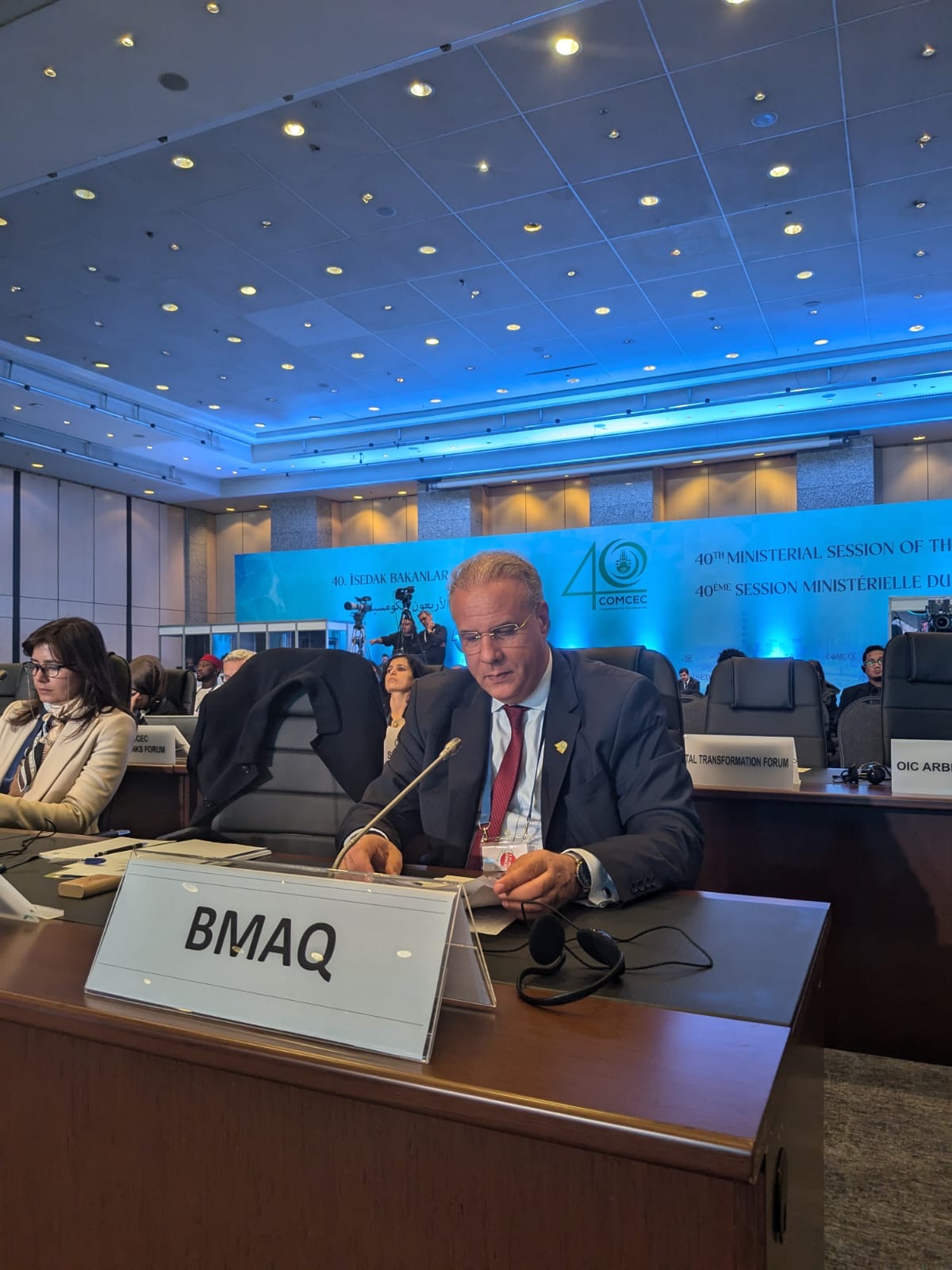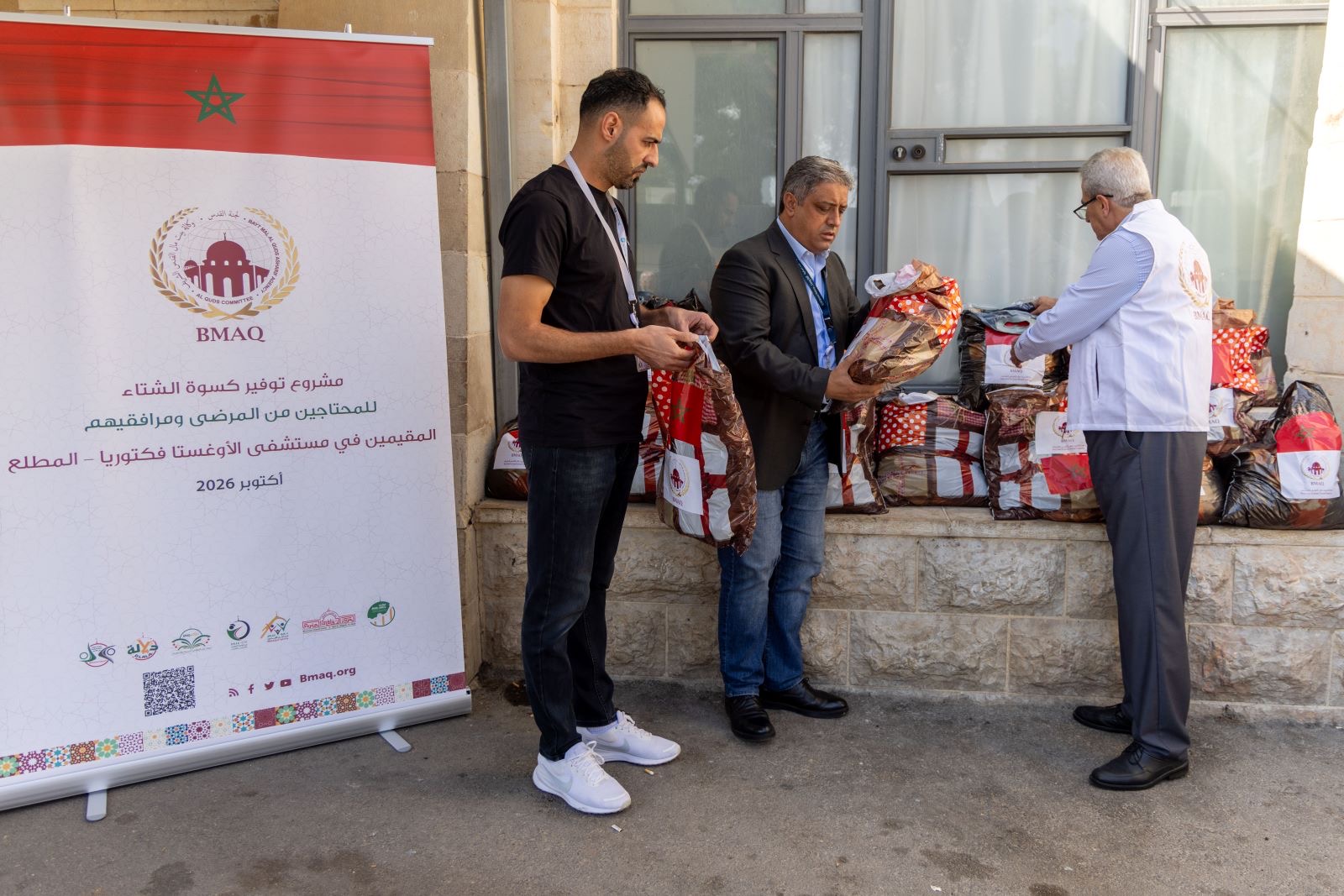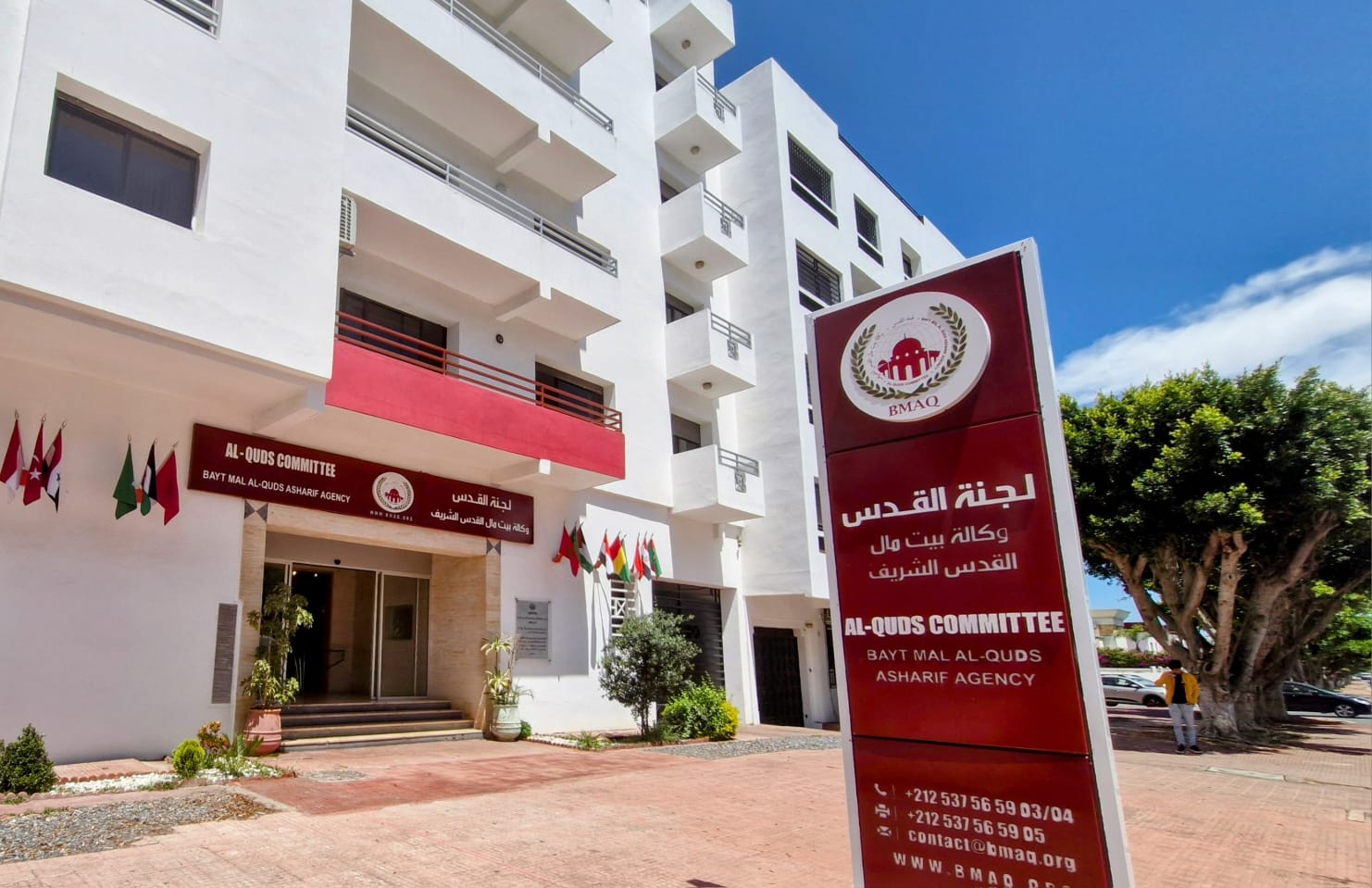
Rabat – Mohamed Salem Echarkaoui, Acting Director of Bayt Mal Al-Quds Asharif (BMAQ), chaired a virtual meeting from Rabat on Monday with members of the Advisory Committee of Experts to review progress in preparing the Agency’s 2027–2030 Action Plan under “Vision 2030”. Developed by the Agency and presented to its Palestinian institutional and civil society partners in Jerusalem and Ramallah on 23 and 24 September 2026, the vision is guided by the theme “Sustainability in Planning and Action”.
At the outset of the meeting, Mr Echarkaoui emphasized that the participatory approach adopted by the Agency in developing its four-year Action Plan was not merely a procedural exercise, but a deliberate choice grounded in the firm conviction that an action plan “should not descend from the sky, but rise from the ground”. He stressed that the plan must emerge from genuine consultation with the people of Jerusalem and their institutions.
Mr Echarkaoui underscored that Vision 2030 is rooted in the core principles guiding the Agency’s mandate: protecting the Holy City, preserving its religious, historical and civilizational heritage, and strengthening the resilience of its inhabitants. The vision also seeks to ensure that programmes and projects deliver tangible, direct benefits to their intended beneficiaries, in line with the High Royal Directives of His Majesty King Mohammed VI, Chairman of the Al-Quds Committee.
The meeting reviewed progress in consultations on the Agency’s 2027–2030 Action Plan and examined the methodological and technical considerations involved in developing its ten strategic components. Particular emphasis was placed on ensuring consistency between the objectives set, the financial and human resources available, and the mechanisms for implementation, monitoring and impact assessment.
Vision 2030 is built around three major strategic priorities: strengthening administrative governance, accelerating digital transformation and adhering to international quality standards; enhancing financial resources and diversifying funding sources; and implementing an integrated action plan to support Jerusalem’s social and economic sectors over the 2027–2030 period.
The plan comprises ten main programmes covering education and training; healthcare and social protection; housing and building restoration; the protection of urban and religious heritage; human development; support for women, young people and children; cultural industries; waqf development; and the revitalization of trade, tourism and services.
The new vision places particular emphasis on digital transformation and innovation. Key priorities include developing an integrated digital system for managing programmes and projects, strengthening fundraising and resource mobilisation mechanisms, and expanding support for youth-led initiatives and start-ups, particularly through the “BMAQ Plus” platform. These efforts aim to create new opportunities for economic empowerment, job creation and improved living conditions for Jerusalem’s residents.
The approach to preparing the Action Plan also emphasizes transparency, efficiency and accountability, linking funding to results and tangible benefits for beneficiaries. Clear indicators will be used to monitor programme implementation and measure each programme’s contribution to sustainable development.
This stage of the planning process is particularly important in view of the growing economic and social challenges facing Jerusalem and its residents. These challenges underscore the need to develop more effective intervention tools, strengthen coordination with local partners, and mobilize additional financial resources and new partnerships to ensure the continuity and effectiveness of the Agency’s programmes.
The development of Vision 2030 forms part of BMAQ’s continued fulfilment of its mandate under the direct supervision of His Majesty King Mohammed VI, Chairman of the Al-Quds Committee. The Agency’s efforts aim to preserve the Holy City’s civilizational and religious identity, support the resilience of its inhabitants, and expand opportunities for their economic and social development.
As the implementation phase coincides with the approaching thirtieth anniversary of the Agency’s field operations in Jerusalem, Vision 2030 is expected to provide a strategic framework for guiding its interventions in the coming years. It will build on achievements to date, strengthen governance and funding mechanisms, and translate resources, expertise and partnerships into projects with a lasting impact that respond to the city’s priorities and the needs of its residents.